
What Is Root Canal Retreatment and Why Might You Need It?
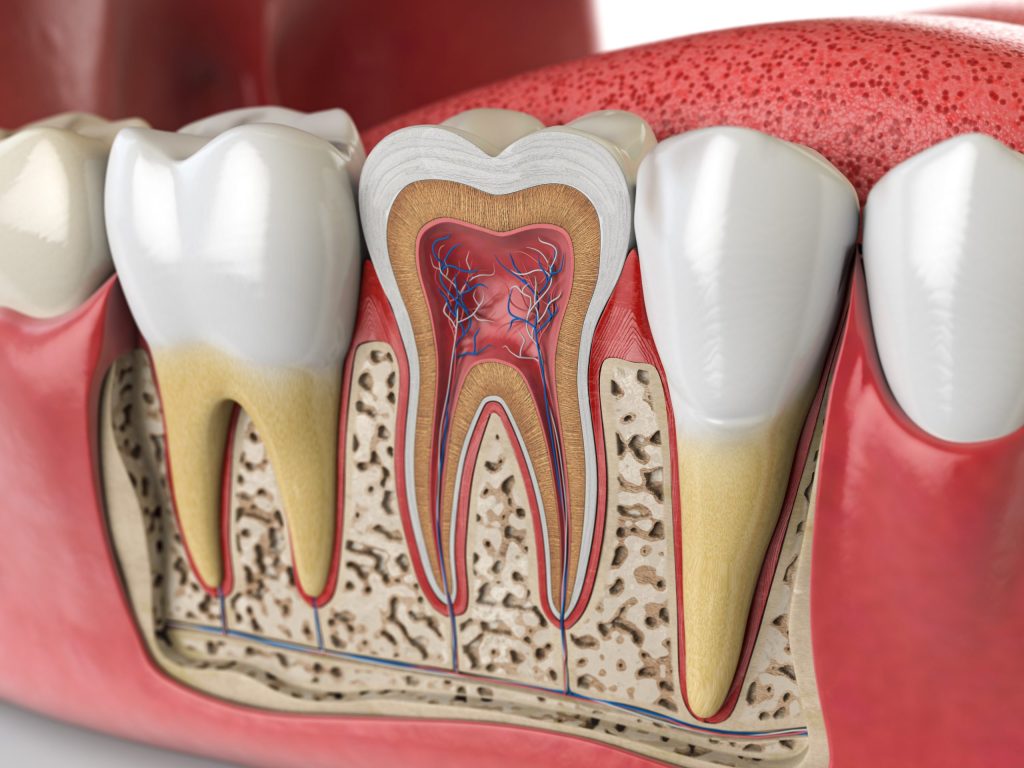
Did you know a previously treated tooth can sometimes need attention again? Understanding root canal retreatment could help you make more confident, informed decisions about your smile.
Root Canal Retreatment
Sometimes a tooth that has already had a root canal does not heal as expected, or a new infection develops over time. Root canal retreatment gives that tooth a second chance, so you can keep your natural smile without moving straight to extraction.
Who Is It For?
This treatment is for you if a previously treated tooth is still causing pain, swelling, or sensitivity, or if your dentist spots signs of a new infection on an X-ray.
How It Works
Think of it like renovating a room that was not quite finished the first time. We carefully remove the old filling material, re-clean and disinfect the canals inside your tooth, then reseal everything and restore it with a crown or filling. The process is thorough but straightforward.
The Benefits
- Pain relief from lingering or returning infection
- Preserves your natural tooth rather than removing it
- Stops infection spreading to neighboring teeth or the jaw
- Less invasive than an extraction followed by an implant or bridge
We are here to make the process as comfortable and stress-free as possible for you.
What You Should Know About Root Canal Retreatment
Sometimes a tooth that has already had a root canal needs a second look. Root canal retreatment is a procedure where we revisit and clean a previously treated tooth to help it heal properly.
Why Might You Need It?
There are a few reasons a treated tooth can cause trouble again:
- New infection: bacteria can re-enter the tooth over time
- Missed canals: some teeth have hidden or complex canal systems
- Delayed restoration: waiting too long for a crown can allow recontamination
- Broken instruments or filling material: these can sometimes affect healing
What Does the Process Involve?
We carefully remove the existing filling material, clean the canals thoroughly, and reseal the tooth. The goal is to give your tooth a second chance at long-term health.
With the right care, a retreated tooth can last just as long as one that had its first treatment. You do not always need an extraction, and we are here to help you explore every option available to you.
| Factor | Root Canal Retreatment | Extraction & Implant/Bridge |
|---|---|---|
| Preserves Natural Tooth | Yes | No |
| Number of Procedures | One to two visits | Multiple stages over several months |
| Invasiveness | Minimally invasive | More invasive (surgery often required) |
| Cost | Generally more affordable | Typically higher overall cost |
| Recovery Time | Short recovery | Longer recovery period |
| Long-Term Outcome | Tooth can last many years with proper care | Durable but involves artificial replacement |
Root Canal Retreatment
At Microsurgical Endodontics of NEPA, we understand that a previous root canal treatment does not always provide a permanent solution. Sometimes, a tooth that was treated years ago can become reinfected or fail to heal properly.
Root canal retreatment gives your tooth a second chance. We carefully remove the previous filling material, clean the canals thoroughly, and reseal the tooth to help it heal and last longer.
Our goal is always to help you keep your natural teeth whenever possible. Retreatment is often a more affordable and effective option compared to tooth removal and replacement.
Frequently Asked Questions About Root Canal Retreatment
What is root canal retreatment and why would I need it?
Root canal retreatment is a procedure where we revisit a previously treated tooth to clean and reseal it properly. You might need it if your tooth developed a new infection, had missed canals during the first treatment, or was not restored with a crown quickly enough after the original procedure. The American Association of Endodontists provides further guidance on when retreatment may be the right choice for your tooth.
What are the signs that a previously treated tooth needs retreatment?
You should speak with your dentist if you are experiencing ongoing pain, swelling, or sensitivity in a tooth that already had a root canal. Sometimes there are no obvious symptoms, and your dentist may spot signs of a new infection on an X-ray during a routine visit.
Is root canal retreatment better than getting a tooth extracted?
In most cases, retreatment is a less invasive and more affordable option than extraction followed by an implant or bridge. It preserves your natural tooth, involves fewer procedures, and typically means a shorter recovery time compared to surgical tooth replacement.
How long can a retreated tooth last after the procedure?
With proper care, a retreated tooth can last just as long as one that received its first root canal treatment. Our goal at Microsurgical Endodontics of NEPA is always to help you keep your natural teeth for as long as possible.
Is root canal retreatment a painful or difficult procedure to go through?
Many patients are surprised by how manageable the procedure feels. We are committed to making the process as comfortable and stress-free as possible for you, and patients frequently report relief from chronic pain once retreatment is complete. You can find answers to more common questions on our Endodontic FAQ page.
Ready to Take the Next Step?
At Microsurgical Endodontics of NEPA, we are here to help you find the right path forward for your tooth. Call us or schedule your consultation online today to get expert answers about root canal retreatment.