
Root Canal vs. Tooth Extraction: Which Is Better for Saving a Tooth in Dunmore, PA?
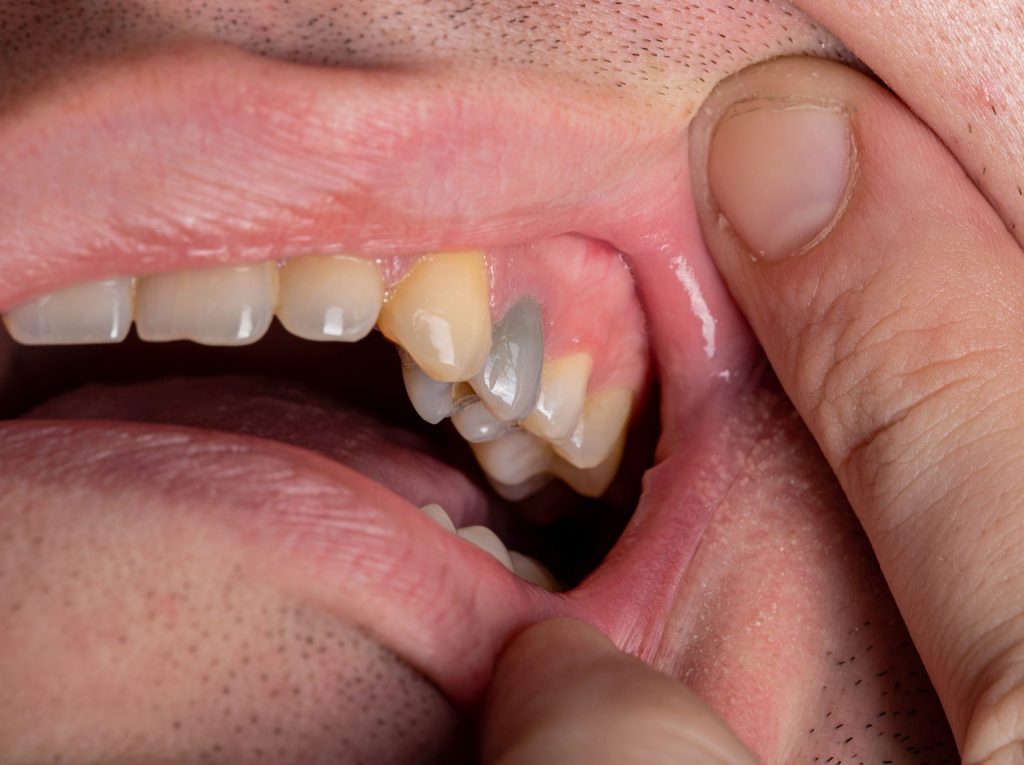
When it comes to saving a tooth, most people assume extraction is the easier choice, but the answer might surprise you.
Tooth Extractions: Gentle Care When a Tooth Needs to Go
Sometimes a tooth is too damaged to save, and the kindest thing we can do is remove it. Think of it like pulling out a rotten board before it damages the rest of the floor. We make sure the process is as comfortable and stress-free as possible.
Who Is This For?
You might need an extraction if you have:
- Severe decay or infection that cannot be treated
- A cracked tooth beyond repair
- Problematic wisdom teeth causing pain or crowding
- Crowding that needs resolving before orthodontic treatment
What Are the Benefits?
- Relieves pain quickly
- Stops infection from spreading to nearby teeth
- Creates space for implants or braces
How Does It Work?
We start with an exam and X-ray to plan your care. A local anesthetic keeps you comfortable throughout. We then gently loosen and remove the tooth, and may place dissolvable stitches to help healing.
Recovery usually takes just a few days, and we guide you through every step of your aftercare.
Root Canal vs. Tooth Extraction: Saving a Tooth the Right Way
When your tooth is severely damaged or infected, two options usually come up: a root canal or an extraction. Understanding the difference helps you make the best decision for your smile and long-term oral health.
What Each Option Involves
- Root canal: Removes the infected pulp inside the tooth while keeping the natural tooth structure intact.
- Tooth extraction: Removes the entire tooth, which may require a replacement like an implant or bridge.
Which One Is Better?
In most cases, saving a tooth through a root canal is the preferred choice. Keeping your natural tooth helps maintain your bite, jawbone health, and overall smile structure. Extraction is typically recommended when the tooth is too damaged to restore.
| Factor | Root Canal | Tooth Extraction |
|---|---|---|
| Natural tooth preserved | Yes | No |
| Jawbone health maintained | Yes | May decline over time |
| Replacement needed | No (crown recommended) | Yes (implant or bridge) |
| Recovery time | A few days | A few days to a week |
| Best suited for | Infected but restorable teeth | Severely damaged or non-restorable teeth |
| Effect on surrounding teeth | Minimal | May shift over time without replacement |
We always explore every option for saving a tooth before recommending an extraction. Your comfort and the health of your smile are our top priorities. If extraction is necessary, we guide you through the best tooth replacement options available.
Not sure which option is right for you? We are happy to help you find the best path forward for a healthy, confident smile.
Tooth Extractions
At Microsurgical Endodontics of NEPA, we understand that saving a tooth is always the goal. However, there are times when a tooth extraction is the best option for your overall oral health.
When saving a tooth is impossible because it is too damaged or decayed to be restored, removing it can prevent further complications and protect the surrounding teeth and gums. We make sure you feel comfortable and informed throughout the entire process.
Our team is here to guide you through your options and ensure you receive the care that is right for your situation. Your comfort and long-term health are always our top priority.
Frequently Asked Questions About Tooth Extractions and Root Canals
When is a tooth extraction necessary instead of a root canal?
At Microsurgical Endodontics of NEPA, we always try to save your natural tooth first. A root canal is usually our preferred option because it keeps your tooth intact and supports your jawbone health. We typically recommend an extraction only when the tooth is too damaged or decayed to be restored.
What are the benefits of choosing a root canal over tooth extraction?
Saving your natural tooth through a root canal helps maintain your bite, supports your jawbone, and keeps surrounding teeth from shifting over time. Unlike an extraction, a root canal does not require a tooth replacement, though we do recommend a crown to protect the treated tooth. Learn more about root canal treatment from the American Association of Endodontists.
How long does recovery take after a tooth extraction?
Recovery after a tooth extraction typically takes a few days to a week. We walk you through every step of your aftercare so you know exactly what to expect and can heal comfortably at home.
What happens to my jawbone if I do not replace an extracted tooth?
When a tooth is removed without being replaced, your jawbone can decline over time and surrounding teeth may shift. We help you explore replacement options like implants or bridges to protect your long-term oral health.
Is a tooth extraction painful?
Many patients are surprised by how comfortable the process is. We use a local anesthetic throughout the procedure and focus on a gentle technique. Most patients feel relieved afterward and find the experience much easier than they expected. You can learn more on our Endodontic FAQ page.
Schedule Your Consultation Today
At Microsurgical Endodontics of NEPA, we are here to help you navigate options for saving a tooth with confidence. If you’re ready to explore the best path forward for your smile, call us or schedule your consultation online to get expert guidance tailored to your unique situation.